First wave artificial intelligence showed that software can understand language, recognize patterns and assist users with ever complicated tasks. Most of these systems, however relied on sending data to remote servers to process before returning a result. Cloud computing, while it was accelerating AI adoption, also brought challenges in terms of the speed of processing and privacy. Cloud computing also added infrastructure costs.
A lot of engineering teams are adopting a fresh approach. Instead of conceiving artificial intelligence as a service that is far away, engineers are now designing machines that perform close to the place where decisions are taken. This trend is driving the growth of on-device AI. It allows applications to react faster, decrease dependence on infrastructure that is external and ensure greater control over confidential information.
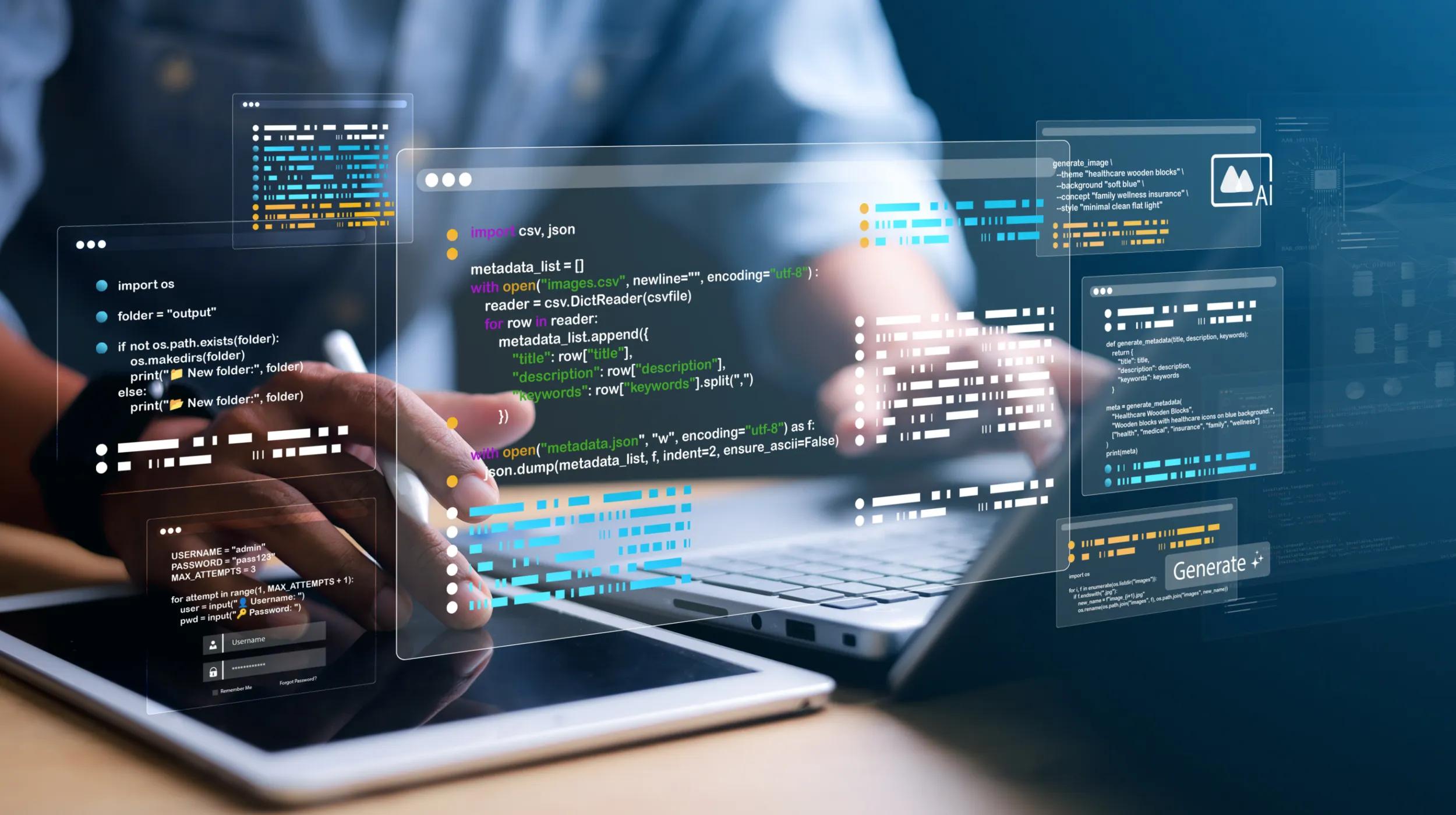
Modern AI requires infrastructure built for real-world workloads
It’s now obvious to programmers that selecting the appropriate language model to build intelligent software does not do the trick. The performance of the software is largely dependent on the infrastructure that supports it. The efficiency of the runtime, the availability, observability, security and scalability affect whether or not an AI application succeeds in production.
The increased complexity of AI agents has led to a growing need for better AI agent infrastructure that is able to support autonomous workflows as well as intelligent decision-making. Rather than relying on generic platforms designed for every possible application most organizations prefer specialized infrastructure optimized for their specific operational needs.
Thyn was founded on this premise. Instead of creating a singular AI product The company develops a the foundational runtime engine which supports several different products, allowing each solution to develop independently. This design approach lets engineers concentrate on solving business issues instead of constantly re-building basic infrastructure.
Better tools help developers build better systems
Developers need more than APIs as AI is integrated into software applications. They require environments that simplify deployment, debugging, monitoring, runningtime management, and testing.
Modern AI tools for developers emphasize transparency and control more than ever. Developers are keen to know how systems behave in the context of production, determine the latency precisely, and optimize consumption of resources without sacrificing speed or reliability.
Thyn invests heavily into these foundations of engineering, with a focus more on measurable system performances than marketing claims. Runtime research is treated as a core engineering discipline that will strengthen all products within the ecosystem.
The use of specialized intelligence is much more effective than platforms that are one size fits all
Every AI workstation is created equal. All AI workloads, such as cryptographic applications, financial trading, marketing automation software, embedded software, and autonomous systems, come with different demands for performance, security model and operational limitations.
Thyn creates engines with specialized functions that are specifically designed for domains rather than requiring all applications to use the same technology. It allows applications to be created independently yet still benefitting from the research in architecture and governance.
The same principle is beginning to influence AI coding agents. Instead of serving as general-purpose assistance, modern Coding agents are becoming increasingly focused, helping developers create code, analyze repositories, automate repetitive engineering tasks, and accelerate the speed of delivery of software, while staying in the current development workflows.
Information closer to the decision-making point
The future of artificial intelligent will go beyond just creating data. The systems that succeed will be able to assess context, reason, make rapid decisions and take action in a short amount of time.
Local intelligence may provide substantial benefits for products that require responsiveness, privacy, and reliability. On-device AI reduces network dependency and latency. It also allows applications to remain operational even when connectivity is restricted. This creates smoother user experiences as well as giving companies greater control of their infrastructure and data.
In the same way, AI agent infrastructure that can scale ensures that intelligent systems are easily observable capable of being managed, as well as able to adapt when requirements are changed.
Thyn symbolizes this new direction by establishing the institutional base for intelligent software rather than solely focusing on individual applications. With advanced runtime architectures special engines, powerful AI tools for developers, as well as modern AI software agents for coding Thyn is helping build an ecosystem where AI is faster, more private, more reliable and ultimately more efficient for developers working on the next generation of intelligent products.